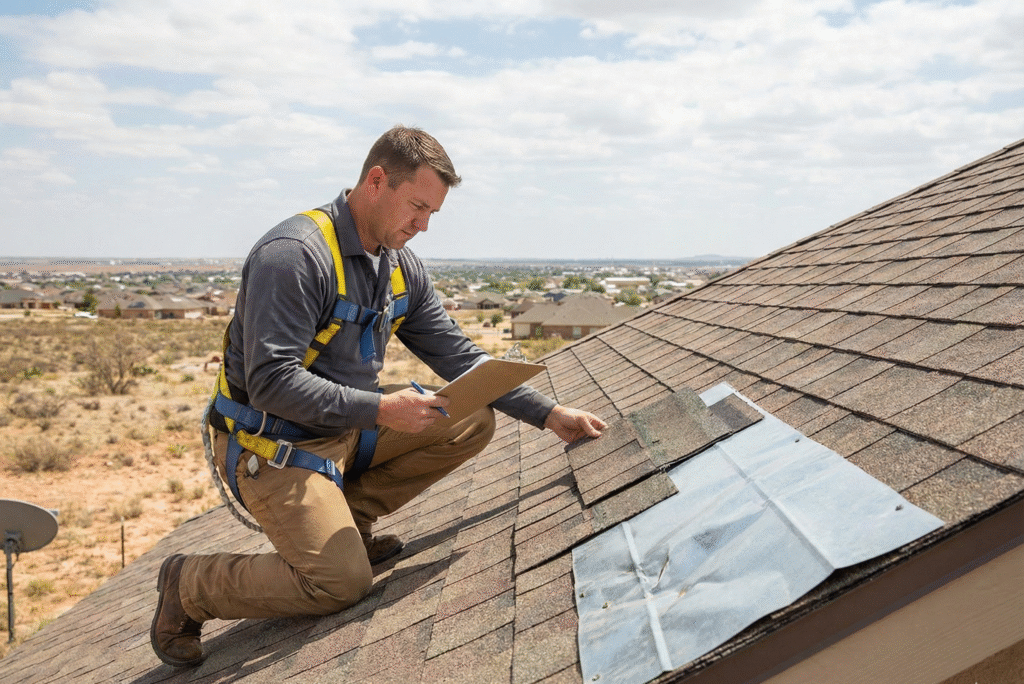
When a storm rolls through and you spot missing shingles or dents from hail, the first thing I tell neighbors is to stay calm and act fast. For reliable roof repair in Midland, TX, knowing what to do in the first 48 hours can protect your home and your wallet. If you want a quick refresher on storm safety and preparedness, the National Oceanic and Atmospheric Administration has clear guidance on severe weather and safety precautions. In this guide I’ll walk you through what to look for, how to document damage, the best temporary fixes, how insurance claims work, and how to choose the right contractor in the Permian Basin area.
Why Midland roofs need a local approach
Midland sits in the heart of West Texas, and that means a roof here faces a mix of intense sun, sudden hail storms, and strong winds off the plains. After big weather events, I see similar problems across neighborhoods from Downtown Midland to the west side near I-20 and near the airport. Hail can pockmark shingles, strong gusts can lift flashing and ridge caps, and prolonged sun can break down protective granules. Because the weather patterns are specific to this area, roof repair needs quick, local attention.
Recognizing common storm and hail damage
Not every roof that looks rough from the ground needs full replacement. Still, spotting these signs early helps prevent leaks and bigger expenses down the road. Walk your property with a checklist, or ask a local roofer to inspect safely.
Exterior signs to check
- Shingle granule loss—dark patches in gutters or areas where shingles look smooth.
- Small circular dents or bruises in shingles consistent with hail impacts.
- Cracked or split shingles, often around the edges.
- Missing or loosened flashing at chimneys, vents, or valleys that can let water in.
Interior clues of a damaged roof
Water stains on ceilings, bubbling paint, new musty odors in the attic, or daylight through the roof decking are urgent signs. Don’t wait for a heavy rain; a single damaged spot can grow quickly and lead to framing or insulation damage.
Immediate steps to take after a storm
Acting quickly reduces secondary damage and makes insurance claims simpler. Here’s a four-step checklist I recommend to homeowners in the city right after a severe hail or wind event.
- Safety first: keep off the roof. Fallen power lines, loose material, and slippery surfaces are dangerous. Photograph damage from the ground and from a safe vantage point.
- Document everything: take dated photos of exterior and interior damage, save storm reports and local news about the event, and note the time you first spotted the damage.
- Temporary protection: if you have leaks, place buckets and move valuables away from affected areas. A professional can provide temporary tarping to keep the rain out until permanent repairs are completed.
- Contact your insurance company early to report the claim and ask about preferred claim procedures and deadline timelines.
How insurance adjusters evaluate hail and wind damage
Insurance companies typically send an adjuster to evaluate visible loss, but they may not catch every problem. Adjusters look for impact marks, granule loss, and structural concerns. You should come prepared with your documentation and, if possible, a contractor’s inspection report that outlines suspected damage and recommended repairs. Having clear photos before and after temporary repairs makes a strong case and often speeds up approval for full repair work.
What the adjuster will ask for
Be ready to share your photo log, any prior roof work dates, and whether you have sustained interior damage. Note that shingle manufacturers and policies sometimes consider age and prior wear when estimating replacement costs, so having maintenance records helps your position.
What good local roof repair looks like
Local roof repair after hail should balance immediate fixes with long-term durability. I focus on these five priorities when recommending work to Midland homeowners:
- Safety and code compliance for all repairs and replacements.
- Quality materials rated for hail and high winds suitable for the West Texas climate.
- Thorough inspection of decking, flashing, vents, and gutters for hidden damage.
- Clear documentation and photos for insurance and homeowner records.
- Transparent pricing and an explanation of alternatives when full replacement isn’t required.
Trending roofing solutions in 2025
Two trends are changing how local roofers approach storm repair. First, impact-resistant shingles with high-class ratings are becoming more common in renovation projects across the region—they reduce future hail damage and can lower insurance premiums. Second, drone inspections are frequently used for faster and safer roof assessments. Drones capture high-resolution images and thermal scans that help spot leaks or soft spots under shingles without someone climbing on the roof. These tools let professionals create more accurate repair plans and speed up claims.
Choosing the best contractor for Midland repairs
Picking a contractor can feel overwhelming after storm damage. I recommend these practical steps to find a professional who will do the job right and communicate clearly through the claim process.
Questions to ask before hiring
- Are you licensed and insured to work in Midland and Midland County?
- Do you provide a written estimate and photo documentation with the proposal?
- Can you handle insurance paperwork or work directly with adjusters?
- What kind of warranty do you offer on labor and materials?
Red flags to avoid
Be wary of contractors who solicit door-to-door after a storm, demand large up-front payments in cash, or pressure you to sign immediately. Also avoid anyone who tells you to file a false claim or offers to alter dates on paperwork. Reliable local contractors will work transparently with your insurer and provide clear, written agreements.
Cost expectations and common pricing factors
Repair costs vary widely based on roof size, slope, material, and the extent of structural damage. Expect a simple shingle repair or small-area patch to be substantially less than a full replacement. Insurance will typically cover storm-related damage to materials and labor if you have a valid policy, minus your deductible. Contractors who document damage with photos and a clear scope of work often help speed claim approvals and reduce disputes about covered items.
DIY fixes that help and those to avoid
There are a few homeowner actions that can be helpful between the storm and contractor arrival. Clearing gutters so water can flow and moving valuables out of at-risk rooms are smart. However, avoid climbing on a damaged roof or attempting structural repairs unless you have professional training. Short-term tarping and interior containment can prevent water intrusion until a licensed roofer can assess and repair the damage properly.
Long-term maintenance to reduce future claims
Keeping your roof in good shape makes hail and storm damage less severe and may reduce insurance costs over time. Schedule inspections at least once a year and after major storms, replace failing flashing and leak-prone vents, and keep trees trimmed away from rooflines to limit branch impact during high winds. Choosing materials rated for the local weather also extends lifespan in the Permian Basin’s climate.
How we handle complicated insurance claims
When insurance paperwork gets technical, a contractor that documents all damage with photos, measurements, and a clear scope helps resolve disputes. If a claim is denied or partially approved, submitting a contractor’s detailed report and matching photos often prompts a re-inspection. Staying organized and communicating timelines to your adjuster and contractor prevents costly delays.
Final checklist before signing repair work
Before you approve any contract, make sure you have the following in writing: a full scope of work, materials specified, a project timeline, a payment schedule, warranty details, and a plan for debris removal and final inspection. Having these items reduces surprises and keeps the job on track from cleanup through final walkthrough.
Wrapping up
Weather in Midland can change fast, but being prepared makes a big difference. If you spot hail damage or leaks after a storm, document everything, protect what you can, and reach out to a dependable local contractor who can assess both visible and hidden damage. With the right steps, you can limit interior damage, work through insurance efficiently, and restore your roof so it withstands future storms in this area.
If you’d like a professional inspection and clear next steps for repairs, contact Roofs by Nicholas for Midland-area service and storm-response support.